Ingredient identity
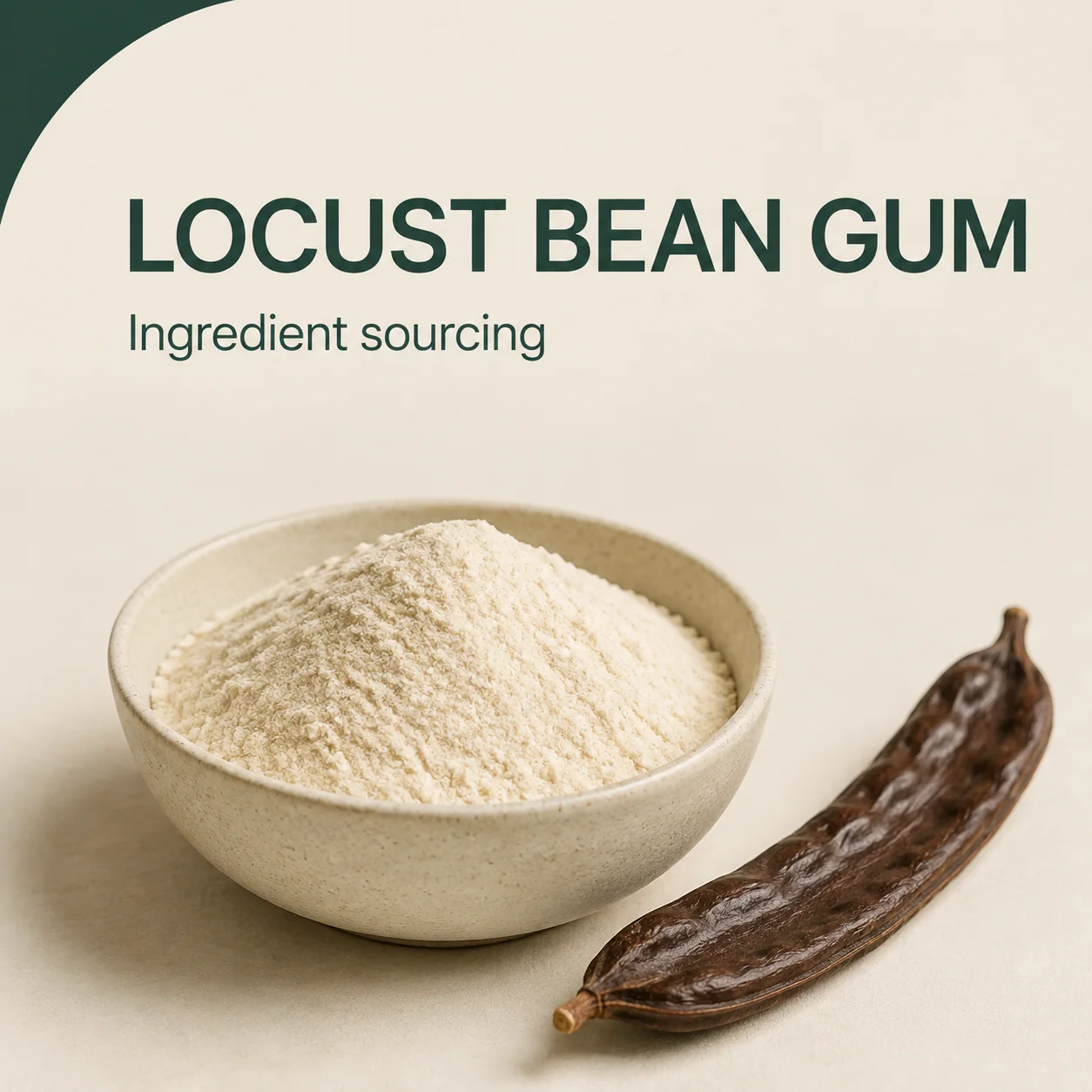
Locust bean gum, also called carob bean gum or LBG, comes from carob seeds. Distinguish the hydrocolloid from carob powder and from a multi-ingredient stabilizer blend.
B2B ingredient sourcing
Bring a process-led approach to locust bean gum sourcing for dairy, frozen-dessert and food texture projects. Make hydration and formulation priorities clear from the start.
Start with the right brief
Locust bean gum, also called carob bean gum or LBG, comes from carob seeds. Distinguish the hydrocolloid from carob powder and from a multi-ingredient stabilizer blend.
Describe the dairy, frozen-dessert or other food system, including the texture, water-binding or combined-gum behavior you plan to evaluate.
Use these priorities to make sample comparisons and quotation discussions more focused.
Share the heating, mixing and holding conditions available in your process and the hydration method used for sample assessment.
Identify other gums in the formulation and the texture comparison planned for the combined system.
State your target viscosity, particle-size preferences and sensory criteria, with the relevant preparation and test methods.
Share the inputs that let us explore a suitable sourcing route for your project.
Describe the sample purpose and quantity, plus the COA, specification sheet, SDS, origin or allergen documents you would like reviewed for the proposed material.
Identify the destination market, intended use and packaging preferences, including any labeling or documentation questions for review.
Include your trial quantity, expected purchasing scale, evaluation schedule and requested quotation scope so the discussion starts with the same priorities.